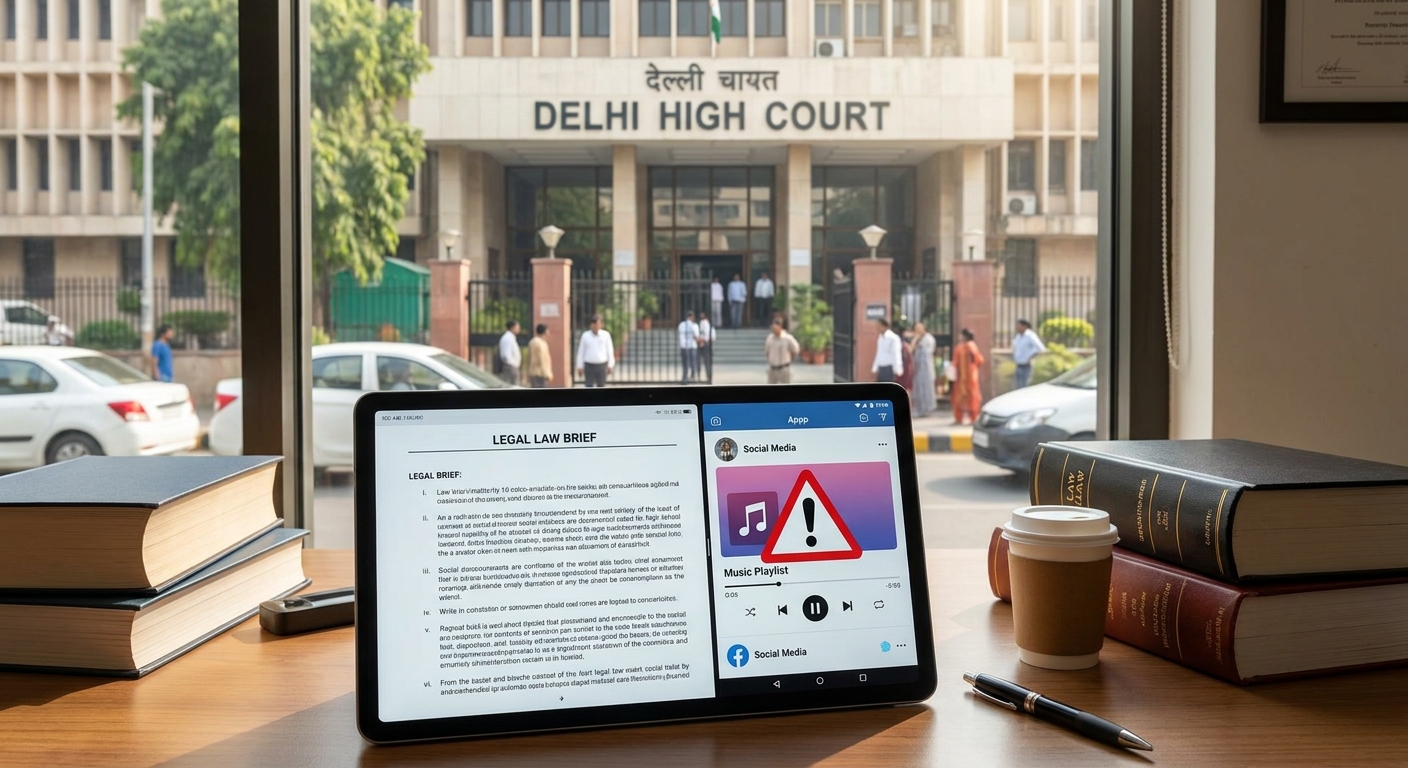
Legal proceedings in the Delhi High Court involving ZEE Entertainment Enterprises Ltd. and FSN E-Commerce Ventures, known as Nykaa, have entered a critical phase. The case involves allegations of unauthorized use of copyrighted music in social media marketing materials. The outcome of this dispute is expected to define how brands interact with music libraries on platforms managed by Meta Platforms.
Zee seeks ₹2 crore for music copyright misuse
The lawsuit filed by ZEE Entertainment seeks approximately ₹2 crore (approximately $210,000) in damages from the beauty retailer Nykaa. This financial claim stems from the alleged use of Zee-owned songs in promotional content without the required commercial permissions. The legal action was initiated on April 3 in the Delhi High Court.
It is observed in the case filings that the dispute involves at least 12 Instagram reels created for brand promotion. While digital platforms provide music libraries for individual users, commercial entities are required to follow different standards. The data indicates that using a popular song can drive engagement in a video by two times, making music a valuable asset for corporate marketing departments.
- ZEE Entertainment v. FSN E-Commerce Ventures (Nykaa) is the official case name.
- The claim focuses on the unauthorized commercial use of intellectual property.
- Damages sought reflect the perceived loss of licensing revenue for the music label.
Indian music industry loses ₹10,000 crore annually
The financial impact of copyright violations in the music sector is substantial. The Indian music industry is estimated to lose ₹8,000-10,000 crore annually in royalty payments due to various forms of infringement. This case represents a broader effort by labels to recover these losses from commercial entities that use music for profit.
There is a recurring issue where marketing departments use content from social media libraries without reading the specific terms of service. It is often found that brands assume native music features on apps like Instagram cover all types of use. In practice, the licenses provided to individual users for non-commercial purposes do not extend to brand advertisements or promotional reels.
The case of 12 promotional reels on Instagram
The core of the legal argument centers on 12 specific Instagram promotional reels produced by Nykaa. These videos featured copyrighted songs owned by ZEE Entertainment. Records show that Nykaa has already removed the disputed content from public access following the start of the lawsuit.
The defense strategy involves the presence of Meta Platforms as a party to the suit. The legal team representing Nykaa, including Senior Counsel Abhishek Malhotra and Counsel Madhu Gadodia, argued that Instagram's native music licensing should cover the usage. This contention places the responsibility on the platform provider rather than the brand using the tool.
The following observation is recorded in the context of this lawsuit: 'Marketing departments often use content available on music libraries without reading the fine print of the Instagram terms, and the decision should provide much-needed clarity.' This reflects a widespread lack of awareness regarding the gravity and consequences of using intellectual property without explicit permission or payment.
Legal standards under the Copyright Act of 1957
The case is being heard under the Copyright Act of 1957, which governs the protection of musical works in India. Justice Tushar Rao Gedela of the Delhi High Court is presiding over the matter. The enforcement of these rules is intended to ensure that artists and labels receive proper compensation for the commercial value their work creates.
Similar cases have appeared in the past involving major brands and labels. These include disputes such as Sony Music-Myntra, Saregama-Emami, and Sony Music-Marriott Group. These precedents show a consistent trend of music labels pursuing legal remedies when brands use their catalogs for commercial gain without a separate licensing agreement.
- Commercial use by brands requires separate authorization from the rights holder.
- The Copyright Act of 1957 provides the framework for seeking damages in such instances.
- The distinction between personal and commercial use is the central legal question.
Future implications after the May 26 court date
The Delhi High Court has scheduled the next hearing for May 26. This date is expected to bring further clarity to the obligations of brands when using social media features. It is observed that companies may not always recognize that they are using the intellectual properties of labels when they select a song for a promotional reel.
Industry data shows that when brands use music without permission, they deprive labels of revenue that would normally come from licensing. This case serves as an educational moment for the digital marketing sector in India. It reminds companies that the democratization of music on social media does not remove the legal requirement to pay for commercial assets.
The involvement of various legal firms, including Ira Law for the plaintiff and Naik Naik & Co and ANM Global for the defense, shows the high stakes of the dispute. Counsel Harsh Kaushik represents Zee Entertainment in these proceedings. The final decision will likely influence how Meta Platforms and other social media giants structure their music agreements for business accounts in the future.
Legal references explained
This is the primary legislation in India that protects original literary, dramatic, musical, and artistic works. It establishes the rights of creators to control how their work is used and sets the penalties for unauthorized commercial exploitation. In this case, it forms the basis for the ₹2 crore damage claim regarding song usage in promotional videos.